The Journey of Armored Machines in War
Armored vehicle deployment was never simply about building machines it was about transforming industrial capacity, logistics, and strategy into a living force on battlefields around the world. In the most intense conflicts of the twentieth century, nations shifted entire economies toward producing and moving armored vehicles at scale, a process that required extraordinary coordination between designers, factory workers, railroads, and commanders. These efforts did not happen overnight. They reflected decades of evolution in how societies thought about war, manufacturing, and the relationship between home front and front line.
The Birth of Mass Production
Modern armored vehicles trace their origins to the muddy battlefields of the First World War, where the first tanks appeared in response to the brutal stalemate of trench warfare. Early machines were experimental and limited in number, but they demonstrated the potential of heavily protected, engine‑powered platforms to reshape battlefields. Between the world wars, engineers and military planners studied those lessons and began preparing industrial infrastructure that could support larger scale production in the future. This preparation set the scene for what would become a defining feature of industrial war: the mass production of armored vehicles.
Turning Industry Toward War
When the Second World War erupted, the scale of conflict demanded unprecedented levels of armored vehicle output. Nations converted existing automotive, machine tool, and heavy engineering plants to produce tanks, self‑propelled guns, armored personnel carriers, and other tracked and wheeled combat vehicles. In the United States, for example, production increased from a few dozen tanks in the late 1930s to tens of thousands per year by the height of the war. This unprecedented shift reflected not only advances in design but also a complete reorientation of civilian manufacturing toward military needs. Production lines that once turned out cars, tractors, and trucks were retooled so that steel plates, engines, tracks, and weapons flowed together as part of a war‑winning machine. This industrial transformation was one of the defining achievements of the Allied war effort and helped overwhelm Axis production in both quantity and reliability.
The Logistics of Movement
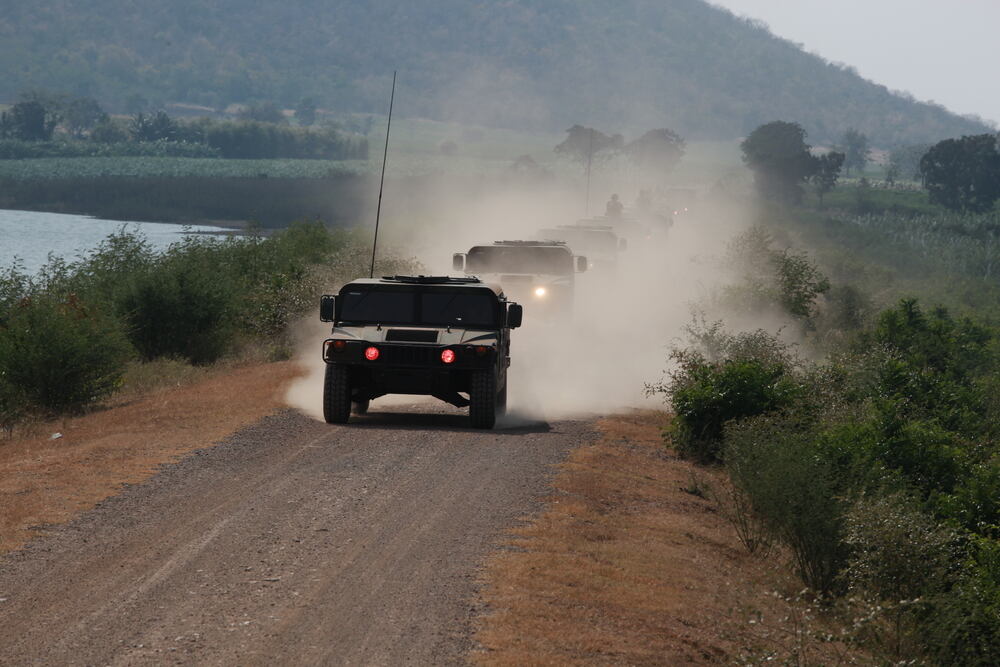
Heavy armor needed heavy logistics. Once completed, vehicles were rarely shipped directly to combat zones under their own power. Instead, they were loaded onto railcars, barges, or trucks and transported vast distances to staging areas far from the front lines. Rail networks became the backbone of long‑distance movement, allowing entire battalions of tanks and support vehicles to travel quickly and efficiently across continents. Once the rail journey neared the theater of operations, vehicles were offloaded and organized for final movement to forward positions. The careful choreography of transporting heavy armored vehicles while sparing fuel, minimizing wear, and avoiding bottlenecks was as crucial as manufacturing them in the first place.
Training and Tactical Preparation
Deployment did not end with movement; it extended into preparation. Crews spent weeks or months training on familiar terrain to master complex machines and integrate them into larger combat formations. Armored divisions, brigades, and battalions practiced maneuvers, refined communication procedures, and learned to coordinate with infantry, artillery, and air support. This preparation was essential even the most advanced tank was ineffective without trained personnel able to execute well‑rehearsed tactics under fire. The work done behind the lines to ready crews for the front was an invisible but indispensable part of the armored vehicle story.
Battlefield Adaptations
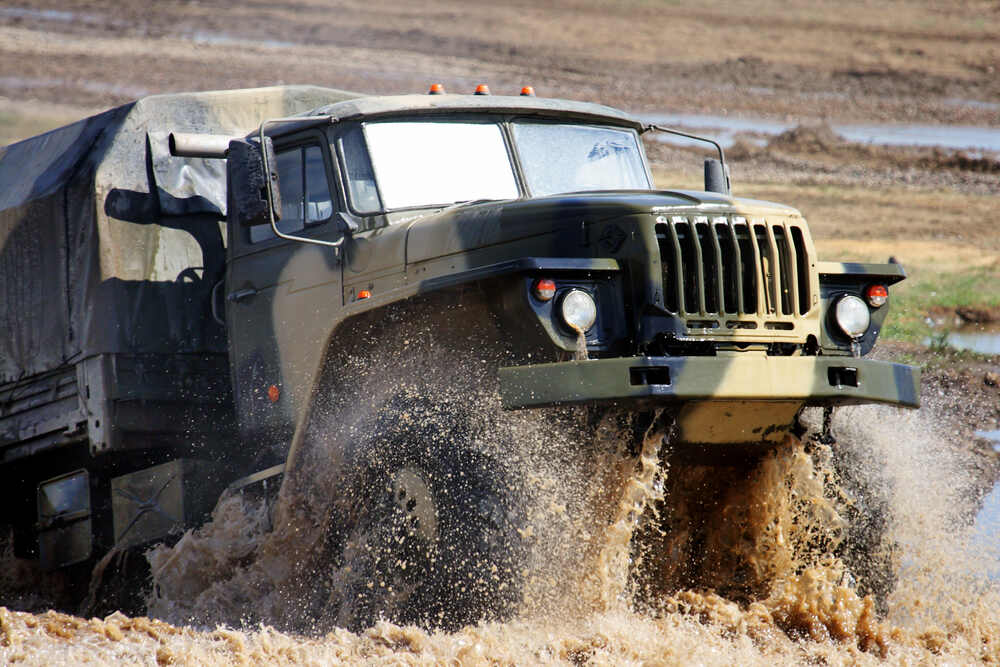
Despite the best planning, real combat demanded constant adaptation. Vehicles that left factories often underwent modifications closer to the front, where crews and engineers would adjust armor, armament, or support systems to meet the specific threats they encountered. Rail transport constraints sometimes meant removing turrets or heavy equipment to fit within loading limits; these components were reattached later when tactical needs were better understood. The dynamic environment of war forced both designers and logisticians to remain flexible, refining production standards and in‑theater procedures as new challenges emerged.
Conclusion
The story of armored vehicles from factory floor to front line is ultimately a story of transformation. It is the tale of how societies harnessed industrial might, logistical precision, tactical innovation, and human determination to put some of the most powerful machines ever built into the hands of soldiers. The efficiency with which these vehicles were produced and deployed changed the face of warfare and demonstrated, unequivocally, that victory in modern conflict relies as much on organized industry and logistics as on battlefield bravery.