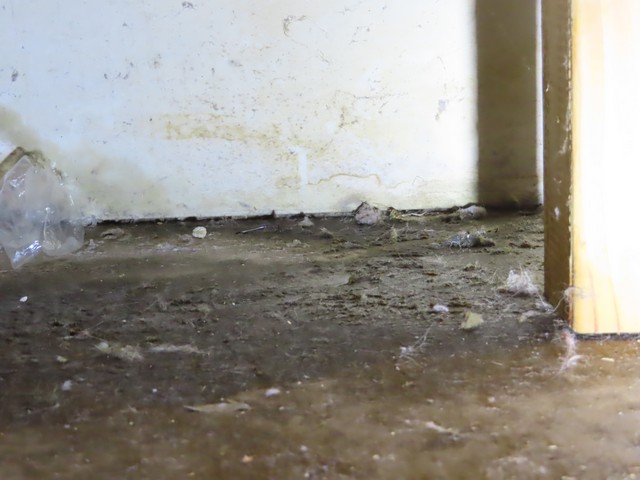
The Hidden Health Risks That Mold Inspectors Near Me Can Help Uncover
Mold inspectors near you can uncover hidden health risks that you might not notice, like respiratory issues or allergic reactions stemming from mold exposure. They assess humidity levels, check for water damage, and inspect both visible and hard-to-reach areas in your home or business.
Regular mold inspection and testing can help catch problems early, protecting your family’s health and ensuring better indoor air quality. If you’re curious about the common type of mold and how to prevent it, there’s a lot more to discover.
Understanding Mold and Its Growth Conditions
Although mold is a natural part of our environment, it thrives in specific conditions that can pose health risks and damage your home. Mold growth often occurs when there’s excessive moisture, water intrusion, or humidity from a leak, musty basement, or malfunctioning HVAC system.
You’ll find that mold loves damp, warm, and dark areas, making places like basements, crawl spaces, bathrooms, and kitchens prime spots for mold infestation. High humidity levels often above 60% create the perfect breeding ground for microscopic mold spores, so keeping your indoor air dry is essential.
Leaks or water damage can exacerbate the problem, providing mold with the perfect moisture source it needs to flourish. Pay attention to any musty odors, visible mold, or signs of mold issues on porous surfaces like drywall or wood. Regular mold inspection and remediation protocol can help protect your home’s structure and improve your indoor air quality.
Common Types of Mold Found in Homes
When it comes to mold in homes, several common types can pose risks to both your health and property. One of the most prevalent is Aspergillus, which thrives on damp surfaces in basements and kitchens. Another frequent offender is Cladosporium, often found on fabrics, drywall, and wood. Stachybotrys, commonly known as black mold, can develop in water-damaged areas and is particularly toxic.
You might also encounter Penicillium, which grows on porous materials and can affect your air quality. Finally, Alternaria can appear indoors and outdoors, especially where moisture accumulates around windows or HVAC units.
Identifying the presence of mold early is essential. Getting an inspection and sample testing done by licensed mold inspectors ensures the issue is confirmed and the proper remediation process is followed. Taking action quickly can help you get rid of mold growth and protect your home or business.
Health Risks Associated With Mold Exposure
Exposure to mold can lead to a range of health issues that may affect even healthy occupants. While sneezing or coughing might be the first signs, mold can also trigger more severe allergic reactions or breathing difficulties. Those with asthma or compromised immune systems are especially vulnerable.
Some molds produce mycotoxins that can cause neurological issues or prolonged fatigue. Inhaling airborne spores over time can irritate lungs, eyes, and skin, worsening indoor air quality. If you suspect mold in your home, a detailed mold inspection and testing service can help detect and confirm contamination. Addressing the mold problem early prevents costly repairs and protects your family’s health.
Symptoms of Mold-Related Illnesses
Mold exposure can cause various health symptoms that often go unnoticed. You might experience nasal congestion, itchy eyes, or coughing that won’t go away. Mold issues can also lead to skin irritation, itchy rashes, or even headaches and fatigue.
If you have asthma, exposure to mold spores can worsen your breathing, especially if the source is hidden behind drywall or near a damp basement. For homeowners noticing similar issues, it’s crucial to inspect affected areas promptly and contact a professional. Mold testing can help confirm whether mold is found within your home so you can begin the proper remediation process to clean and protect your home.
The Role of Mold Inspectors in Identifying Problems
While you may notice visible mold or musty odors, identifying hidden mold problems often requires the expertise of a licensed mold inspector. These professionals use specialized tools and established protocols to locate mold in your home that the naked eye cannot detect.
Here’s what mold inspectors typically do during inspection and testing:
- Inspect areas of concern where soil is saturated or moisture accumulates.
- Test air quality to detect airborne mold spores.
- Check for leaks behind walls that may cause excess humidity.
- Assess HVAC systems and basements for hidden moisture problems.
- Take surface and air samples to identify the type of mold and severity.
They also advise homeowners on remediation steps, recommend licensed remediators, and provide a clear report so you can trust the results and make informed decisions.
The Mold Inspection Process Explained
When you schedule a mold inspection and testing service, you’re taking a proactive step to protect your home’s air quality. During the inspection, a trained home inspector will thoroughly assess your property to locate any moisture issues, visible mold, or areas of concern.
They’ll measure humidity, inspect the HVAC system, and test air samples for mold spores. In some cases, they may inspect porous surfaces and take swab samples for lab analysis to confirm contamination. Once complete, you’ll receive an accredited report with results and recommendations for mold remediation.
If remediation companies are needed, the mold inspector can recommend licensed professionals to remove contamination, seal affected areas, and confirm that the space is safe after remediation.
Preventative Measures to Avoid Mold Growth
Preventing mold in your home begins with moisture control and regular inspections. Here are key steps to protect your home and avoid mold issues:
- Fix leaks and water intrusion immediately to prevent damp areas.
- Use dehumidifiers, especially in basements and crawl spaces.
- Vent bathrooms and kitchens to reduce humidity.
- Keep surfaces clean and dry; repair or seal damage quickly.
- Inspect HVAC filters and ducts regularly to prevent airborne spread.
- Monitor indoor humidity to ensure it stays below 50%.
By maintaining a clean environment and addressing excess moisture or humidity early, you can protect your home, minimize mold growth, and avoid future expensive remediation or repair costs.
Eliminate Mold and Safeguard Your Home With Golden State Mold Inspection
If you think mold is hiding in your home, contact Golden State Mold Inspection for accredited, detailed mold inspection and testing. We proudly serve Southern California with high-quality inspection and sampling services. Our licensed mold inspectors locate and confirm the presence of mold, offer clear data, and advise on proper removal and remediation steps from trusted remediators.
Whether it’s your home or business, our team will inspect, detect, and protect your indoor air quality. Book an appointment today to get estimates and professional mold services from a name homeowners trust.

Golden State Mold
204 Lomita St, El Segundo, CA 90245
(310) 525-0619